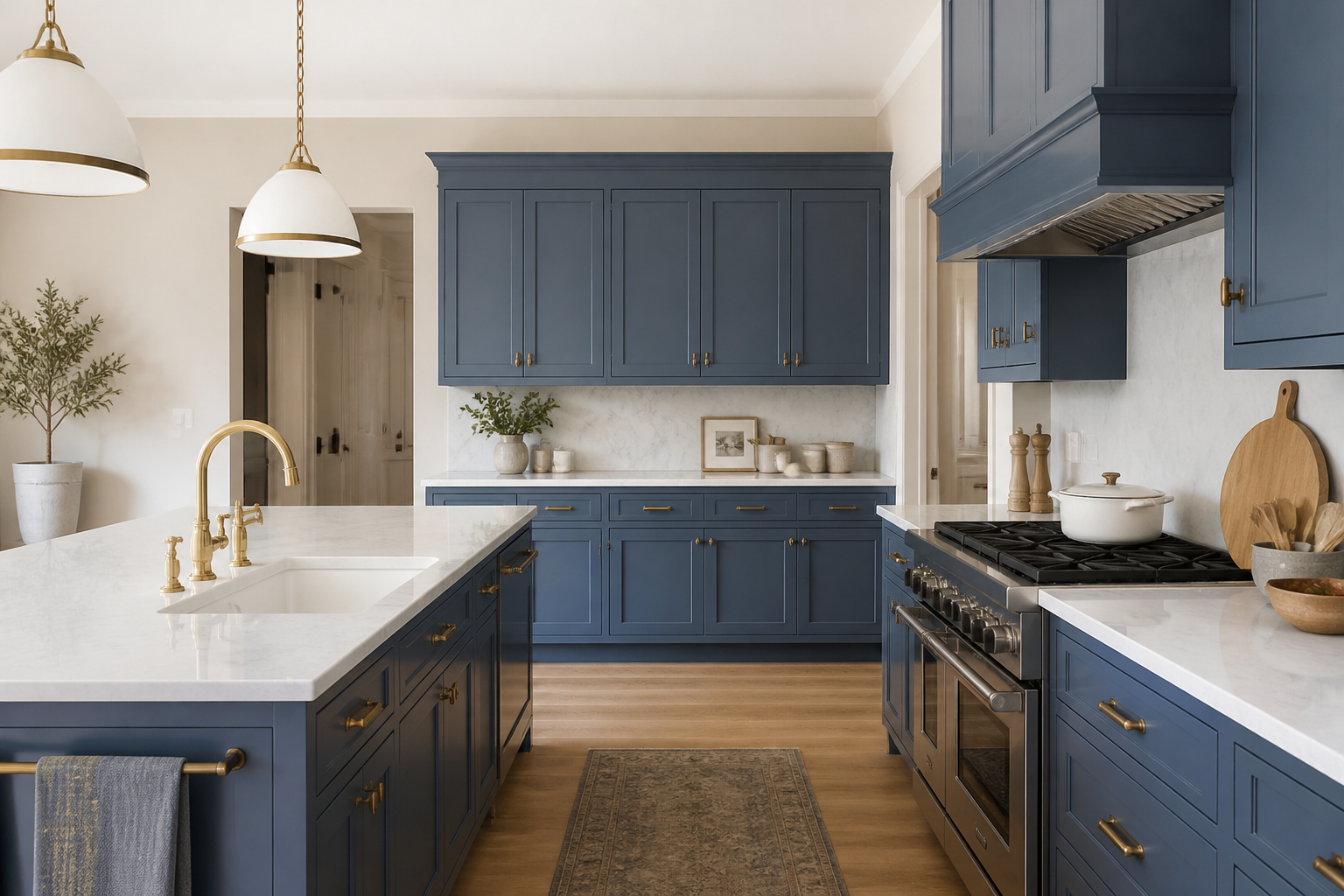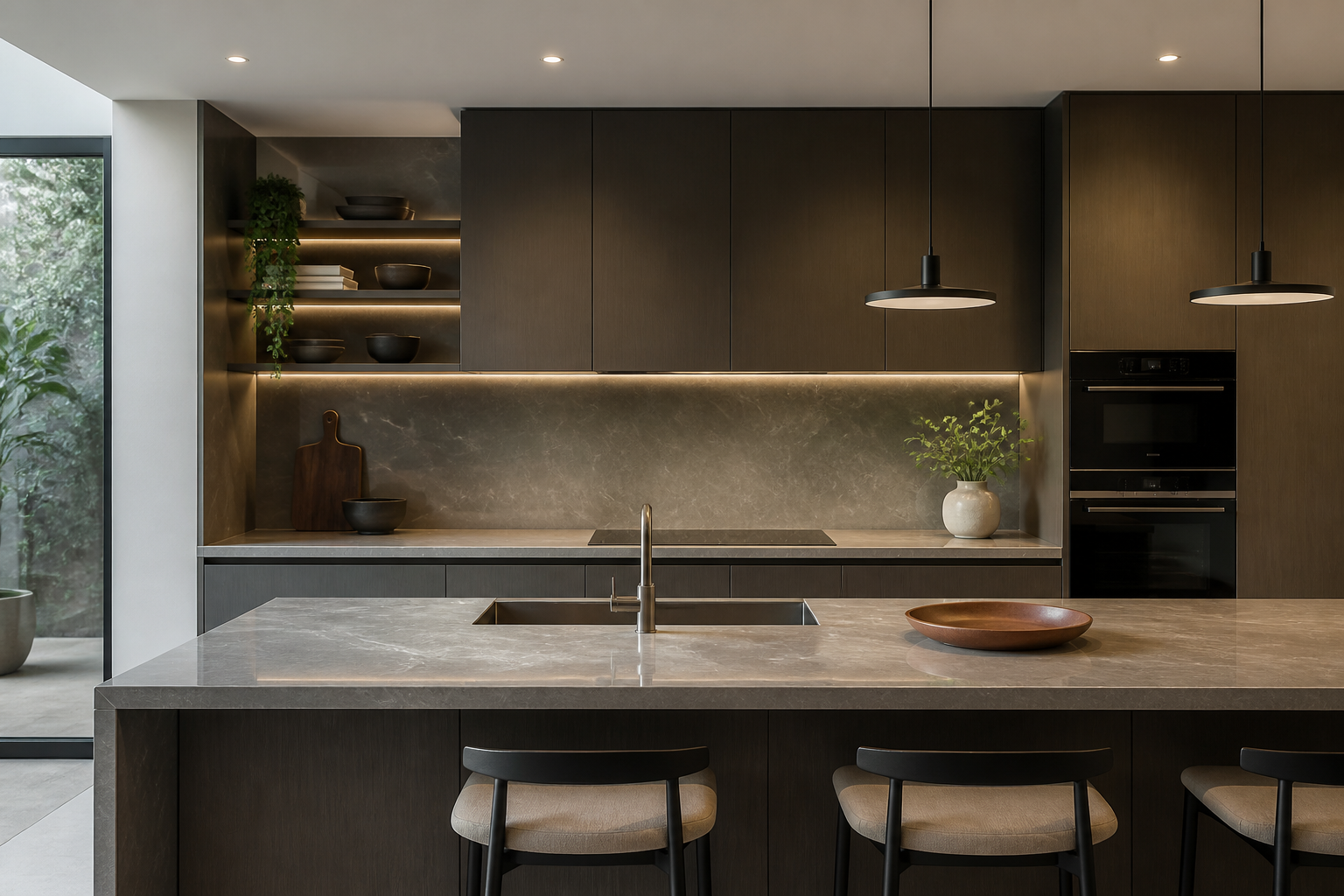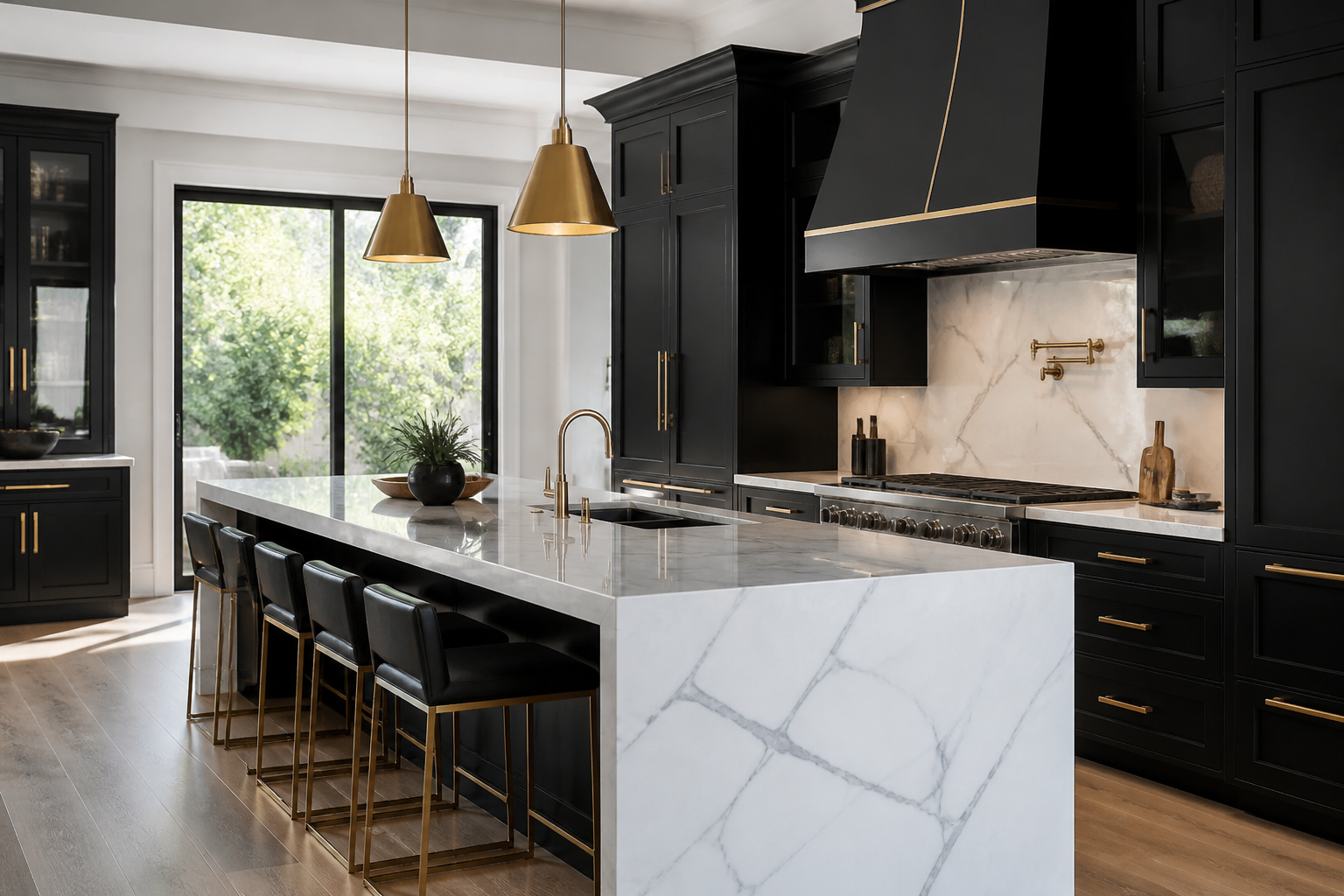
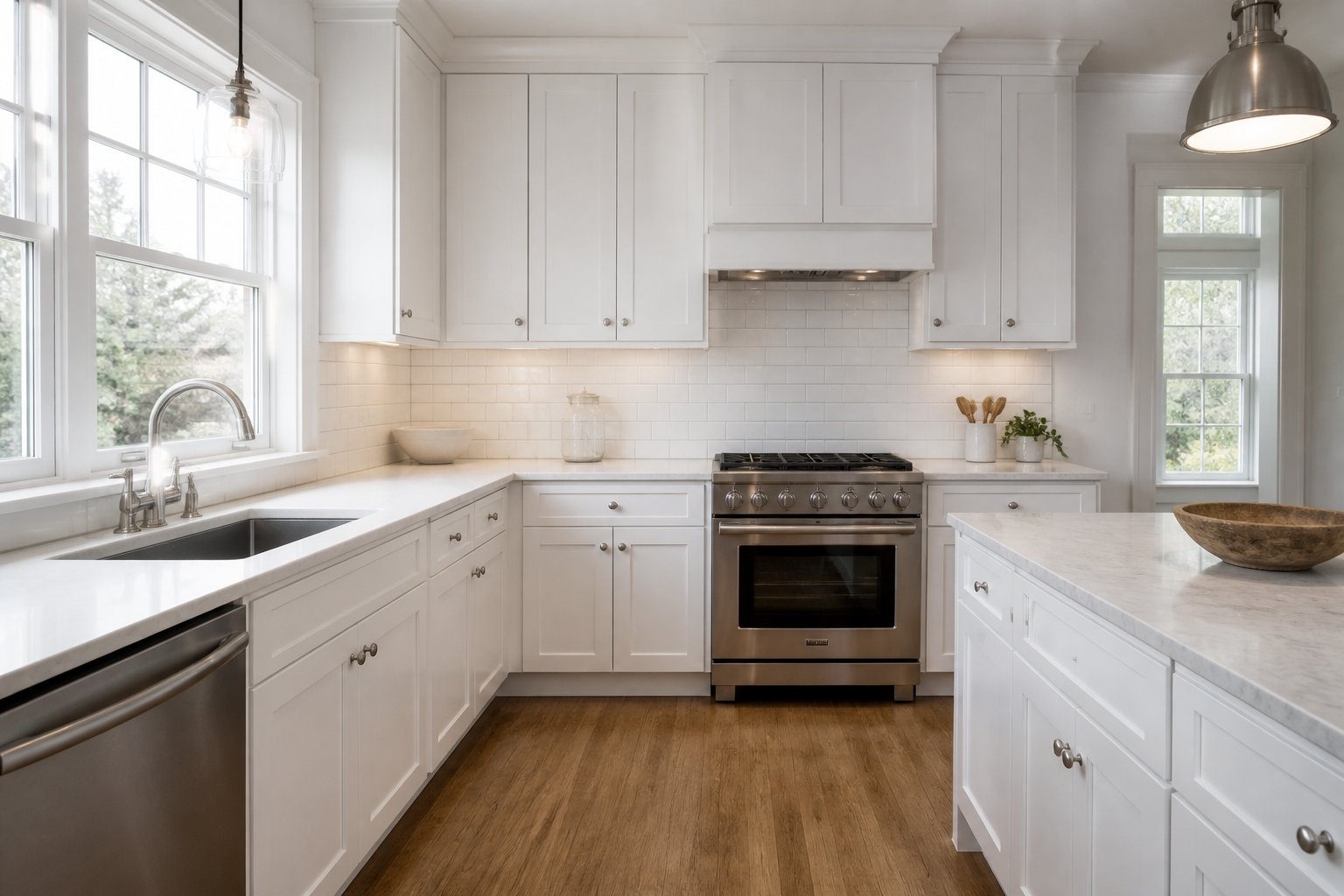
Shaker style cabinets are the default American kitchen door for a reason: the five-piece frame is sturdy, the center panel can move with the seasons, and the look sits in houses from 1910 bungalows to 2015 spec homes without dressing up as a period replica. They are also easy to specify lazily. A fat rail, a cheap vinyl center, and a blob of glaze is still “shaker” on a quote. It will not feel like a shaker kitchen when the doors are hung.
I specify cabinets for a living. When someone asks for shaker kitchen cabinets, I want to talk about rail width, overlay, inset versus full overlay, and how the door is built — not only whether the paint is white. This guide is that conversation. Use it in a showroom. Open the door. Measure the stile with your eyes.
If you want a quick read on color and hardware against your existing walls, overlay a few shaker options on a room photo with Best Kitchen Design. Then go hold a real door. Shaker is a construction style. Screens flatten it.
What Makes a Door Actually Shaker
Historically, Shaker furniture was about utility, honest joinery, and a lack of showy carving. The kitchen industry borrowed the recessed flat-panel door: four frame pieces (two stiles, two rails) and a flat center panel. That door is now called shaker whether or not anything else in the room has to do with a religious community in the 1800s. Fine. Use the word the way shops use it, then get specific.
Rail and stile width is the first fork. A traditional shaker door often has a wider frame — it reads more furnished, more farmhouse or more colonial. A modern shaker thins that frame so the recess is a shadow line, not a picture frame. Both are shaker style cabinets. They do not mix well on the same elevation unless you are doing a deliberate break (a furniture island, a hutch). Ask the shop for the rail dimension in inches. “Shaker” on a finish sample does not tell you.
Center panel material matters. A true wood panel in a frame will expand. The panel should float. A painted MDF panel in an MDF frame stays more stable and is common for smooth painted shaker kitchen cabinets. A veneer panel can look like wood in a stained shaker. A thin foil over a poorly prepped core will telegraph and chip at the recess — the place your eyes go.
Profile should be quiet. A small square edge or a very slight eased edge is shaker. A deep ogee on the inner edge is leaving shaker for a more traditional door. Beadboard centers are a cottage move, not a classic shaker move. There is nothing immoral about beadboard. It is just a different door. Do not call it shaker on the drawings if you do not want beadboard arriving.
Overlay changes the architecture. Full-overlay shaker doors cover most of the face frame (or the whole box on frameless). They look cleaner and more current. Partial overlay shows more frame and can look more cottage or more builder-grade, depending on the reveal. Inset shaker — the door sits inside the frame, flush — is the furniture version. Gaps must be even. Houses that move and cheap installs make inset look amateur. I love inset shaker in a dining-room hutch or a high-end shaker kitchen with a shop that will service it. I do not love it as a bargain internet order.
Outside edges should match the story. A square outside edge is crisper. A heavy round-over reads older and can collect paint wear. End panels should repeat the door language. A slab end panel next to a five-piece door is a tell that the bid was pieced together.
Hardware holes are part of the door. Decide knobs versus pulls before doors are drilled if the shop predrills. A shaker recess makes certain cup pulls sit beautifully on drawers. A tiny knob on a wide shaker drawer is a weak handshake.
Building a Shaker Kitchen That Does Not Look Generic
A shaker kitchen becomes generic when every door is the same white, the hardware is the same 5-inch bar from a variety pack, and the only contrast is a gray quartz with busy veins. You can do a white shaker kitchen that does not look like every listing photo. You do it with proportion, finish quality, and one or two considered contrasts.
Color: White and off-white still work. So do putty, sage, dusty blue, deep green, and a proper black. Stained wood shaker — cherry is less fashionable, oak and walnut are very much alive — reads as furniture. Two-tone is the reliable upgrade: a deeper island, a wood hood, or a painted pantry wall. Keep the door style the same when you change color. Two colors of the same shaker look designed. Two door profiles look like a clearance sale.
Sheen: Satin or a soft matte. High gloss on a five-piece door highlights every frame joint. Flat paint scuffs on the rail edges where hands land.
Hardware: Cup pulls on drawers and knobs on doors is a classic shaker kitchen pairing. Long bars can modernize shaker kitchen cabinets if the bars are thin and the finish is consistent. Black hardware on white shaker is everywhere; it looks better when the faucet and lights are in on the joke, or when black is clearly the accent and nickel does the rest. Unlacquered brass on a putty or cream shaker ages well. Avoid mixing three “matching sets” from three aisles.
Counters: Quiet stone lets the door’s shadow line be the texture. A wild slab plus a strong shaker profile is two lead singers. Butcher block on an island with painted shaker perimeters is a combination that still feels like a working kitchen.
Hood and island: These are where a shaker kitchen can look custom. A simple wood hood, a plaster box, or a painted hood with the same door language beats a stainless canopy that ignores the cabinets. The island can take a furniture base — a plinth, a deeper overhang, a contrasting paint — without leaving shaker.
Glass and plate racks: Use sparingly. One glass-front cabinet with a simple lite pattern can break a long run. A room full of glass is a dust farm and a different style. Plate racks are charming in a true cottage shaker kitchen and twee in a suburban great room if you do not own plates you want to see.
Crown and light rail: Shaker can take a simple square crown or a clean reveal at the ceiling. A heavy multi-piece crown pushes the room traditional. Light rail should hide LEDs, not add a second molding story.
Think about the rest of the house. Shaker style cabinets in an open plan have to live with the living room trim. If your casings are chunky colonial, a super-skinny modern shaker can look like it came from a different job. You can still do it, but you may want to simplify the room’s crown or accept a little tension. If your house is already quiet and craftsman, classic shaker is home.
Construction Details Shops Hope You Will Not Ask About
This is the part that separates shaker kitchen cabinets you keep from shaker kitchen cabinets you paint again in six years.
Joinery: Cope-and-stick is standard. Mortise-and-tenon is nicer on wider rails. You do not need to become a joiner; you do need a shop that will say which they use. Pressed-together foil doors with a printed “shaker” recess are not the same product.
Painted interiors versus matching interiors: A finished interior is nicer in glass cabinets and in open pantries. A standard interior is fine behind closed doors. Do not pay for a custom interior stain you will never see.
Drawers: Dovetailed hardwood drawers with undermount slides belong under good shaker doors. Stapled particle drawers under a pretty five-piece door is a costume. Wide drawers need slides rated for the width. Soft-close is normal now; specify it.
Hinges: Six-way adjustable hinges make a shaker kitchen look aligned. Inset needs the right hinge and an installer who will come back after a season. Overlay needs a consistent reveal. Ask who adjusts doors after install.
Boxes: Plywood boxes with decent backs; or a quality furniture-board box with real edge banding and good hardware. The door style does not fix a sagging box. For a shaker kitchen that will see kids and a heavy mixer, I push plywood on the bases and tall units.
Moisture and heat: The recess on a shaker door is where steam and grease collect if the hood is weak. Vent the range. Do not install a foil shaker next to a window that cooks in the afternoon sun. Painted MDF hates sitting in a puddle under a sink. Fix the plumbing.
Samples: Get a corner of a door, not only a painted chip. You want to see the inner profile and the center panel joint. Look at it in your kitchen at night. Shaker style cabinets change character when the recess catches a warm pendant versus a cool can.
Lead time and touch-up: Factory paint is more consistent than site-sprayed doors in a dusty garage. Ask about a touch-up kit from the same batch. Rail edges chip. That is normal life, not a defect, if the finish is repairable.
When you compare bids for shaker kitchen cabinets, line up: rail width, box material, drawer construction, hinge/slide brands, overlay type, finish process, and what is included (end panels, crown, fillers, toekick). Two “white shaker” quotes can be different species of product.
Specifying Shaker Without Getting a Builder Clone
Write the door like a specifier: “Painted maple or MDF, 2-3/4-inch rails, square inner profile, full overlay on face-frame boxes,” or “thin modern shaker, frameless, integrated finger pull on uppers, cup pulls on drawers.” That sentence is worth more than a mood board.
Measure appliances and windows before you fall in love with a grid of same-size doors. Shaker looks best when the door splits are even. A skinny filler next to a window breaks the rhythm. A good designer will show elevations with door counts. A floor plan with boxes only will hide a 4-inch leftover.
Decide inset versus overlay with your house, not with a magazine. Inset in a new, stable house with a patient installer is a joy. Inset in a 1970s split-level with seasonal floors can be a callback nightmare.
Test color on your walls. Generate a classic white shaker kitchen, a putty shaker, and a two-tone island version on your photo at Best Kitchen Design. You will learn whether your oak floors fight a cool white shaker. Then borrow a physical door.
Plan hardware early enough to change the drawer heights if needed. Some cup pulls want a certain drawer head. Some wide drawers want two pulls. Two pulls on a wide shaker drawer look better than one lost knob.
Do not let the word shaker stop you from good storage. The door is the face. Inside you still want trash pull-outs, deep pot drawers, and a pantry that is not a black hole. Shaker style cabinets are compatible with every modern interior. The Amish did not forbid a recycling bin.
If you are mixing shaker with a more modern slab on a mudroom or a bath, keep the paint and metal aligned so the house feels like one project. A shaker kitchen next to a handleless bath can work if the colors talk. It looks accidental if they do not.
Frequently Asked Questions
Are shaker style cabinets still a good choice?
Yes, if the door is well built and the rail width matches the house. Shaker kitchen cabinets remain a practical default because they take paint, take stain, and do not rely on a single trend metal. What ages badly is a cheap door with a fake recess, not the five-piece idea.
What is the difference between shaker and raised-panel cabinets?
Shaker has a flat recessed center. A raised panel pushes the center forward, often with more profile, and reads more traditional. Both can be high quality. They are different kitchen languages. Pick one language per elevation.
Should I choose inset or overlay shaker kitchen cabinets?
Overlay is more forgiving and usually costs less. Inset looks like furniture and shows every gap. Choose inset when the shop and the house can support it. Choose overlay when you want the shaker look without the seasonal drama.
What hardware works best on a shaker kitchen?
Cup pulls and knobs are the classic pairing. Slim bars modernize the same door. Match scale to drawer width, and relate the finish to the faucet. Hardware will change the decade of the room more than a slightly different white.
Can I mix shaker doors with a modern island?
You can mix finishes easily. Mixing a thick traditional shaker with a slab island is harder. If you want contrast, keep the profile family close — modern shaker perimeter, wood modern shaker island — or commit to a furniture island that is clearly a different object.
See Shaker Cabinets on Your Kitchen Walls
Upload a photo at bestkitchendesign.com/create and try shaker style cabinets in a few rail moods and colors before you lock a shop drawing.
Subscriptions are handled by Polar: Mini $14, Personal $18, and Premium $36 a month. Compare them on pricing. Take the stills to a cabinet designer, then ask the unglamorous questions — rail width, box, slides — that make a shaker kitchen feel built instead of assembled.